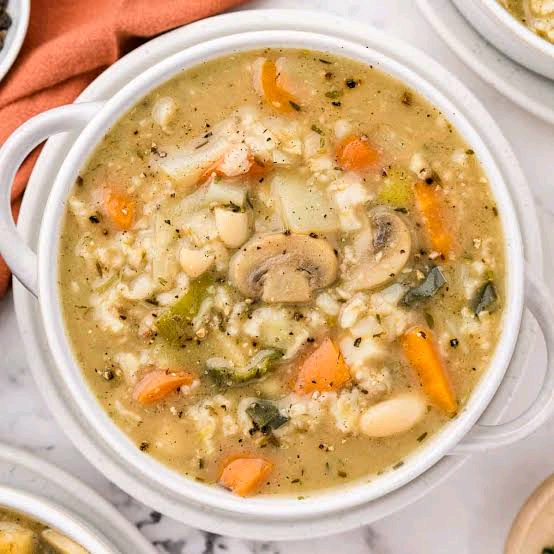
Pottage (French: potage, potaʒ) is a thick soup or stew made by boiling vegetables, grains, and, when available, meat or fish. It was a staple food for many centuries.
The term pottage comes from Old French and is related to potage, a more recent culinary dish.
Pottage was traditionally made from ingredients readily available to peasants and could be kept on the fire for days, with new ingredients added as old ones were consumed. Wealthier families enriched their pottages with meats and finer ingredients.
Preparation
- Typically boiled for hours to create a homogeneous texture and flavor.
- Intended to:
- Break down complex starches
- Ensure food safety
- Often served with bread, when available.
Biblical References
- Genesis 25:29–34:
Esau sold his birthright to Jacob for “bread and pottage of lentils,” inspiring the phrase “a mess of pottage” for a poor bargain. - 2 Kings 4:38–41:
Prophet Elisha purified a poisoned pottage prepared for the sons of the prophets.
Pottage in Medieval England
- Staple of the medieval English diet, typically made with:
- Grains, legumes, vegetables, and occasionally meat.
- Thick pottages (stondyng):
- Contained cereals, shredded meat, sometimes thickened with egg yolks or bread crumbs.
- Examples: brewet, egerdouce, mortrew, mawmenee, blancmange.
- Thin pottages (ronnyng):
- Simpler broths, often vegetable-based.
- Frumenty:
- Made with wheat grain boiled in broth and thickened with eggs, sometimes with cow’s or almond milk.
Historical sources:
- The Forme of Cury (14th century) includes pottages of cabbage, ham, onions, and leeks.
- 17th-century recipes combined mutton, oatmeal, violet leaves, endive, spinach, marigold flowers, and herbs.
France
- Potage was a core element of medieval and early modern French cuisine.
- Types:
- Liquid or thickened with bread, pulses, or rice
- Could resemble ragoûts or future entrées
- Early cookbooks:
- Le Viandier (c. 1300) – 27 potage recipes
- Le Ménagier de Paris (1393) – organized by spices and thickness
- Petit traicté de cuisine (1536) – positioned potage as the second course after the entrée de table
17th–19th Century “Classical Order”
- Potage
- Entrée
- Roast (Rost)
- Entremets
- Dessert
Lean days:
- Fish, shellfish, or vegetable-based potages replaced meat.
- Almond milk, butter, and oil were used instead of animal fats.
Colonial America
- Native American equivalent:
- Corn-based pottage, also known as succotash, included:
- Venison, bear, moose, raccoon, beaver, or fish
- Kidney beans, Jerusalem artichoke, pumpkin, squash
- Ground nuts (acorns, chestnuts, walnuts) for thickening
- Corn-based pottage, also known as succotash, included:
- New England pottage evolved into:
- Chowders and baked beans
- Historical records:
- Mrs Gardiner's Family Receipts (18th century) mentions scotch barley broth.
Spanish Cuisine
- Religious customs:
- On festa doble (double feast days), two potaje courses were served:
- Rice or noodles topped with cheese
- Meat stew (guisat) with wine, vinegar, liver, egg yolk, and spices
- On festa doble (double feast days), two potaje courses were served:
- Fish days:
- Spinach, cabbage, or lettuce-based pottages
- Grain bowls with semolina or almond milk
Nigeria
- Yam pottage is a traditional delicacy often cooked with:
- Vegetables, fish, or meat
Wales
- Similar to cawl, a traditional broth or stew:
- Cooked for days over a hearth fire
- Made with leek, potato, and meat
See Also
- Brown Windsor soup
- Casserole
- Cawl
- Frumenty
- Lancashire hotpot
- Lentil soup
- Medieval cuisine
- Pease pudding
- Sop